
In 2026, even a brief gap in mandatory passenger car liability insurance could cost 1,920 PLN. For a gap of 4 to 14 days, the fee rises to 4,810 PLN, and if the gap exceeds 14 days, it amounts to 9,610 PLN. This is a fee for the mere lack of continuous coverage—regardless of any costs that may arise if an uninsured vehicle causes damage. The safest approach is not to wait for an inspection: you need to determine the last day of your current policy and verify that the next one actually begins. Special attention should be paid to policies taken over after purchasing a used car and policies for which the full premium has not been paid. Below, we explain where the 2026 rates come from, when the risk of a coverage gap arises, and how to respond to a notice from the UFG.
Table of Contents
- How much is the fine for not having liability insurance in 2026?
- When does a car need liability insurance?
- What is the most common reason for a gap in auto liability insurance coverage?
- What should you do after receiving a notice from the UFG?
- Why does the cost of not having liability insurance exceed the statutory fee?
- FAQ — No Auto Liability Insurance in 2026
How much is the fine for not having liability insurance in 2026?
For a passenger car, the full penalty for failing to have liability insurance is twice the minimum wage. As of January 1, 2026, the minimum wage is 4,806 PLN, so the basis for calculation is 9,612 PLN. The law requires that the calculated amounts be rounded to the nearest 10 PLN.
The amount of the payment depends on the total period without coverage in a given calendar year:
- for a break of 1 to 3 days: 1,920 PLN,
- for a break lasting 4 to 14 days: 4,810 PLN,
- for an absence exceeding 14 days: 9,610 PLN.
There is a significant difference between the third and fourth days, just as there is between the fourteenth and fifteenth. Therefore, once a gap is detected, it is not advisable to delay signing a new contract. Payment of the amount due does not restore coverage and does not replace the obligation to obtain liability insurance.
In practice, a one-day break also falls within the first threshold. The key factor is the lack of coverage, not whether the car was actually on the road during that time. The fee applies in each calendar year in accordance with the rules applicable to that year. If the gap spans the turn of the year, the situation must be assessed separately for each of these periods.
These amounts are based on the Compulsory Insurance Act and the minimum wage set for 2026.
These amounts are not the cost of the policy or a traffic ticket.
Nor should they be confused with any obligation to reimburse damages caused by a vehicle without liability insurance.
When does a car need liability insurance?
As a general rule, the owner of a car registered in Poland is required to maintain insurance coverage for the entire duration of the registration. The mere fact that a car is parked does not suspend liability insurance. It doesn't matter if the vehicle is in the garage, waiting to be repaired, or hasn't been used for several months.
This is especially important for a family’s second car, after a breakdown, or for a car intended for future sale. The fact that the vehicle is not in use does not mean it has been deregistered. The official list of grounds for deregistration includes, among other things, theft, export or sale abroad, scrapping abroad, permanent loss, transfer to a dismantling facility, or withdrawal from circulation. Not using your car isn't enough.
Before your current coverage expires, it’s a good idea to review your policy document, check its expiration date, and verify your premium payment status. You can find information about the terms and conditions and the coverage available on the website car liability insurance.
You can also verify the validity of a specific vehicle's liability insurance through the official UFG service. All you need to check it is the license plate number or the VIN. It's especially important to check the car before buying it, because the end date of the acquired contract may be earlier than the buyer anticipates.
What is the most common reason for a gap in auto liability insurance coverage?
A standard 12-month contract is generally renewed for another year unless the policyholder gives written notice of termination no later than one day before the end of the term. However, this does not mean that every policy will be automatically renewed.
Unpaid premium for the past period
If the premium for the 12-month period that is ending has not been paid in full, the next contract is not automatically renewed. Coverage under the current contract ends upon the expiration of the term for which it was concluded. Failure to pay in full may prevent renewal.
However, one should not assume that a delay in paying a single installment immediately results in a lapse of liability insurance coverage during the current policy period. The key point is that a premium that has not been paid in full may deprive the owner of automatic renewal for the next 12 months. Therefore, it is important to check both the expiration date and the payment status of all installments.
Liability Insurance Taken Out After Purchasing a Used Car
The previous owner's contract is transferred to the buyer and may remain in effect until the end of the term for which it was entered into. A transferred liability insurance policy is not automatically renewed. The new owner should know the exact expiration date of this coverage and sign a new policy to avoid even a one-day gap in coverage.
A real-life example: A car was purchased on June 10, and the transferred policy expires on June 22. If the buyer assumes that coverage will be automatically extended, just as it was with their previous annual policy, there may be a gap in coverage starting on June 23. We explain more about the required documents and the buyer’s obligations in our guide on Auto Liability Insurance After Buying a Car.
Termination without providing subsequent coverage
A gap may also arise if the owner successfully terminates the existing contract but incorrectly specifies the start date of the new one. The end of one policy and the start of the next must overlap. It's a good idea to compare the dates on both documents, rather than relying solely on a payment reminder or confirmation.
What should you do after receiving a notice from the UFG?
Do not ignore the notice or respond based on what you remember. The UFG sets 30 days from the date of service of the summons to take one of three actions: make a payment, submit documents confirming compliance with the liability insurance requirement during the year of the inspection, or demonstrate that the requirement did not exist at that time.
First, compare the period specified in the notice with your documents. You’ll find it helpful to have insurance policies, contract confirmation letters, and documents related to the purchase, sale, or deregistration of the vehicle—depending on the situation. If coverage was in effect, the response should refer specifically to the year and the period covered by the audit. The documents must precisely address the identified gap, rather than merely confirming that the vehicle was insured at some point in the past or future.
If there has indeed been a gap in coverage, simply paying the overdue premium does not guarantee future coverage. It is necessary to take out a new liability insurance policy separately.
First, stop the insurance gap from widening any further, and then organize your response to the payment demand.
In justified cases, the UFG may waive the fee in whole or in part or grant a payment plan. In making this determination, it takes into account, above all, the exceptionally difficult financial, property, and personal circumstances of the obligated party. The tax credit is not automatic; requires a statement of the circumstances justifying the request.
Practical steps to follow:
Why does the cost of not having liability insurance exceed the statutory fee?
Compliance with the mandatory liability insurance requirement is monitored by, among others, the police, customs authorities, the Border Guard, vehicle registration authorities, and the Road Transport Inspection. The UFG also has the authority to conduct inspections. Therefore, it is unwise to assume that a problem will arise only during a traffic stop.
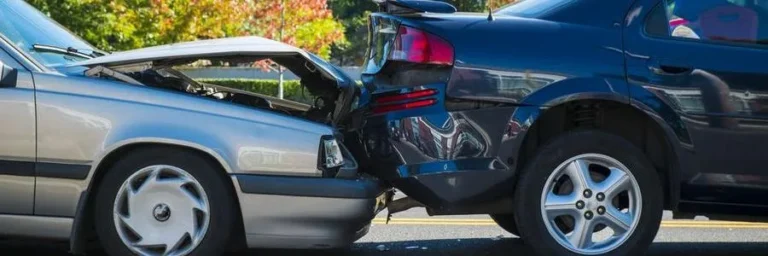
More serious consequences arise when an uninsured vehicle causes damage. After paying compensation, the UFG may demand that the at-fault party and the person who failed to comply with the liability insurance requirement reimburse the compensation paid and the costs incurred. The statutory fee does not preclude liability for damages.
The most important takeaway is simple: you should verify the continuity of your insurance coverage before the policy’s expiration date, not only after receiving a payment notice. This is especially true when the car was purchased with someone else’s policy or when the insurance contract includes a premium that has not been paid in full. A single correctly determined date can prevent a costly gap in insurance coverage.
FAQ — No Auto Liability Insurance in 2026
Is there a penalty for going a single day without liability insurance?
Yes. A break of no more than 3 days falls under the first threshold. For a passenger car in 2026, this amount is 1,920 PLN.
How much is the fee after 14 days without liability insurance?
For a period of 4 to 14 days, the fee is 4,810 PLN. Only when the break exceeds 14 days is the full amount of 9,610 PLN charged.
Does a car parked in a garage need to have liability insurance?
As a general rule, yes, as long as it remains registered. The mere fact that the vehicle is not in use, is out of service, or is idle does not constitute grounds for deregistration and does not exempt the owner from the obligation to maintain continuous liability insurance coverage.
Will the liability insurance on a purchased car renew automatically?
No. The coverage inherited from the previous owner may remain in effect until the end of the term specified in the contract, but it does not renew automatically. The buyer must arrange for a new policy in advance.
Does a missed payment automatically mean a loss of coverage?
An overdue installment should not automatically be equated with the immediate termination of existing coverage. However, if the premium for the past 12-month period has not been paid in full, the next contract will not be automatically renewed.
How much time do I have to respond to a notice from the UFG?
The law provides for a 30-day period from the date of service of the payment demand to submit documents confirming possession of liability insurance during the year of the inspection or to demonstrate that there was no obligation to have such insurance.
Does paying the fee replace purchasing liability insurance?
No. Paying the fee does not exempt you from the obligation to enter into a contract. If the vehicle is still subject to this requirement, coverage must be obtained separately.




 Polish
 English
 Ukrainian
 Spanish
 Turkish
 Russian
 Vietnamese
 Indonesian