
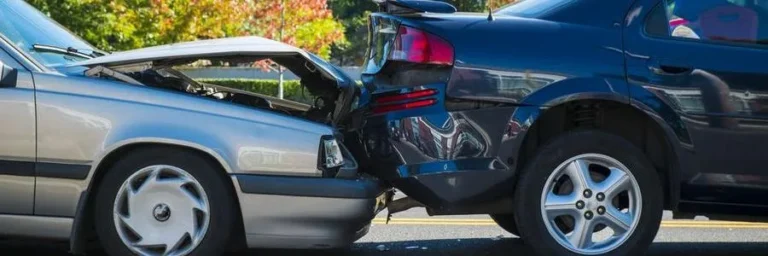
Damage caused by opening a car door is the most common example of parking-related damage. In such a situation, the affected driver files a claim with the insurer to receive compensation from the at-fault driver’s liability insurance. Unfortunately, insurance companies often delay the payment of compensation.
Recently, the Financial Ombudsman has been receiving numerous complaints, requests, and inquiries from victims whose insurance companies have refused to pay compensation under mandatory liability insurance. The vast majority of these complaints concern situations involving damage caused by vehicle passengers who, while getting in or out of a vehicle, damaged a parked car or a car passing by. However, the question of who caused the damage is crucial for the potential payment of compensation.
According to the regulations, a liability insurance policy applies only when the owner, co-owner, or driver caused the damage. In such cases, insurance companies sometimes refuse to pay compensation without a more thorough review of the matter.
– The refusal will be justified because it was caused by the passenger.
In such a case, you should file a claim for compensation directly with the person at fault.
Is the insurer always right?
In what situation is an insurer in the wrong for refusing to pay a claim?
A driver may seek compensation if the driver of the other vehicle contributed in some way to the damage caused by a passenger—for example, by parking the car in a prohibited area. It’s important to keep in mind situations where no one is at fault for the damage, and it was caused solely by what is known as “force majeure.” This includes, for example, incidents where a strong gust of wind caused damage when a door was opened. In the case of such random events, we cannot count on compensation for liability insurance policies, as well as liability insurance for the passenger's personal life.




 Polish
 English
 Ukrainian
 Spanish
 Turkish
 Russian
 Vietnamese
 Indonesian